Panel matching
Fabric run planned so seams and patterns meet at the corner cleanly.

Sectionals recovered as one piece — panels, chaise and all
A corner sofa is several pieces that have to look like one. The chaise, corner block and end unit fade at different rates, and the middle often sags first. Reupholstery only works if we treat it as a matched run of panels, not as separate chairs.
We photograph how the pieces join, rebuild the seats, and cut fabric so the pattern continues around the corner. That is the difference between a recovered sectional and a patchwork.

Fabric run planned so seams and patterns meet at the corner cleanly.
The long seat — usually the most collapsed — re-foamed with the rest.
Connecting brackets and alignment checked so it sits as one piece.
Backs and scatters labelled so they return to the right position.
A clear path from first pictures to workshop finish — so you always know what happens next.
A wide shot of how it sits in the room, plus each module.
Enough roll to run around the corner without a mismatched join.
Modules recovered in order so colour stays consistent.
Returned so connections and seat heights line up.
What this service does well — and what to weigh up before you commit.
Tell us about the piece — we’ll reply with practical next steps from the Hayes workshop.
 Domestic Upholstery
Complete domestic furniture upholstery for homes across West London.
View service
Domestic Upholstery
Domestic Upholstery
Complete domestic furniture upholstery for homes across West London.
View service
 Sofas
Sofa Reupholstery
Recover and restore sofas with foam, frame and fabric options.
View service
Sofas
Sofa Reupholstery
Recover and restore sofas with foam, frame and fabric options.
View service
 Armchairs
Armchair Upholstery
Armchair recovery, comfort upgrades and fabric changes.
View service
Armchairs
Armchair Upholstery
Armchair recovery, comfort upgrades and fabric changes.
View service
 Dining chairs
Dining Chair Upholstery
Dining chair seats and backs recovered for home and hospitality use.
View service
Dining chairs
Dining Chair Upholstery
Dining chair seats and backs recovered for home and hospitality use.
View service
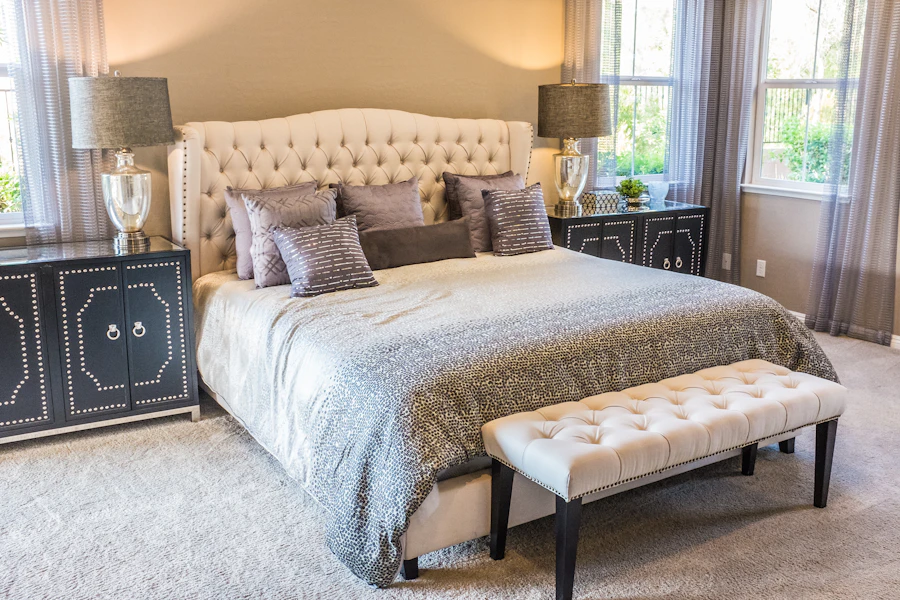 Headboards
Headboard Upholstery
Headboard recover and custom fabric finishes.
View service
Headboards
Headboard Upholstery
Headboard recover and custom fabric finishes.
View service
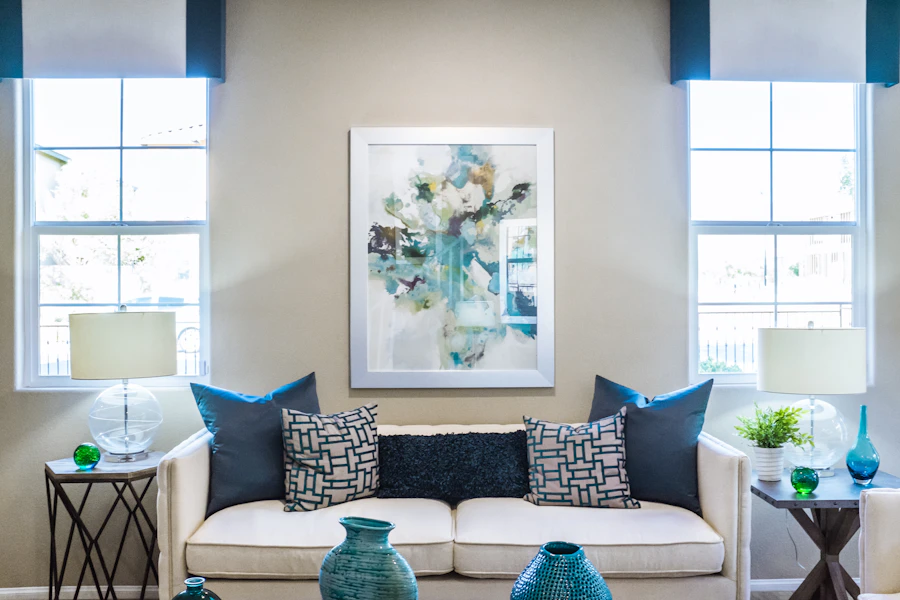 Bed frames
Bed Frame Upholstery
Upholstered bed frames refreshed with new fabric and foam.
View service
Bed frames
Bed Frame Upholstery
Upholstered bed frames refreshed with new fabric and foam.
View service